Maitri Clinic & Daycare Centre
- Phone : +919429690970
- Email : vipul.msrmc@gmail.com
- Clinic Timing :
Dr. Vipul Agarwal Consultation
Mon To Sat
8:30 AM to 7:30 PM
Consultation with Prior Appointment Only


Book an appointment with Dr. Vipul Agarwal, a renowned Diabetologist in Jaipur with expertise in Internal Medicine

If you find yourself urinating more often than usual, especially waking up frequently during the night to urinate, it could be a sign of diabetes.

Excessive thirst (polydipsia) is another common symptom of diabetes. If you find that you're constantly thirsty, it might be worth discussing with a healthcare provider.

If you're losing weight without making intentional changes to your diet or exercise routine, it could be a red flag for diabetes.

Persistent fatigue or a constant feeling of being tired, even after getting enough rest, may be a symptom of diabetes.

Diabetes can affect your eyes, leading to blurred or distorted vision. If you're experiencing vision problems, it's essential to consult an eye care professional.

Diabetes can impact the body's ability to heal, so if you notice that cuts or sores are taking longer to heal than usual, it's a reason to seek medical advice.

People with diabetes may be more susceptible to infections, such as urinary tract infections, yeast infections, or skin infections.

Diabetes can cause nerve damage, leading to sensations of tingling or numbness, especially in the hands and feet.

While some people with diabetes may experience weight loss, others may feel hungrier than usual, even after eating.

If you have access to a glucose meter and notice consistently high blood sugar levels, it's essential to consult a healthcare professional for further evaluation.
Searching for an diabetologist in Jaipur who can give you proper consultation and treatment for diabetes treatment? Then here we are. Contact us immediately!

Dr. Vipul Agarwal (Physician in Jaipur) is a distinguished and highly experienced Diabetologist in Jaipur, with over 10 years of expertise in the field. Holding qualifications including MBBS, MD in Internal Medicine, FAGE, and CPCDM (RSSDI), Dr. Agarwal has demonstrated a commitment to providing comprehensive healthcare solutions. As a Consultant Physician and Diabetologist, he has garnered a reputation for his proficiency in managing diabetes and related conditions.
Patients seeking expert advice and personalized care can book an appointment with Dr. Vipul Agarwal at Maitri Clinic & Daycare Centre (Diabetes Clinic in Jaipur) by calling +919429690970. With a focus on patient well-being and a wealth of experience, Dr. Agarwal continues to contribute significantly to the healthcare landscape in Jaipur.
With the prevalence of sedentary lifestyles, diabetes has become a widespread health concern. If you’re encountering symptoms such as fatigue, irritability, frequent urination, sudden weight loss, or increased thirst, diabetes could be the underlying issue. If you’re in Jaipur and searching for a reliable diabetes doctor or the best “diabetologist near me,” Dr. Vipul Agarwal at Maitri Clinic & Daycare Centre (Diabetes Clinic in Jaipur) is a valuable resource.
With over 10 years of expertise in diabetes treatment, Dr. Agarwal is dedicated to addressing your health concerns. We cater to your search for the “best diabetologist near me” and provide convenient online doctor consultations with some of the leading Diabetologists in Jaipur.
A Diabetologist specializes in the field of diabetes, collaborating with patients to effectively manage their blood sugar levels through diverse approaches, including dietary modifications, exercise, and medication. Our team of Diabetologists in Jaipur is dedicated to aiding you in comprehending your condition, assisting with diagnosis, and recommending the most suitable treatment plan.
Whether you’re experiencing common symptoms as mentioned earlier or grappling with more severe complications such as diabetic retinopathy, kidney damage, or diabetic neuropathy, our skilled diabetologists in Jaipur are here to assist you.
Upon reaching out to our diabetes doctors in Jaipur, they will advise specific tests for an accurate diagnosis. Following the diagnosis, they will collaborate with you to make lifestyle adjustments and provide practical tips to enhance your overall health and well-being. In essence, Dr. Vipul Agarwal (Sugar Doctors in Jaipur) guides you seamlessly from the diagnosis of diabetes to its comprehensive treatment.

In its broadest sense, diabetes refers to a metabolic or endocrine condition characterized by elevated blood sugar levels. The pancreas plays a crucial role in regulating blood sugar, but diabetes can adversely affect its functioning. Typically, the beta cells in the pancreas, responsible for producing insulin—the hormone that regulates blood sugar levels—suffer damage in some way. This disorder manifests in the body either producing insufficient insulin (Type 1) or developing resistance to the insulin it produces (Type 2). Individuals with diabetes often need to monitor their blood sugar levels diligently, manage their diet, and incorporate regular exercise into their routine. Without effective control of blood sugar through lifestyle adjustments, medication is frequently required.
Guiding patients on appropriate dietary choices and medications, a diabetes specialist such as Dr. Vipul Agarwal can offer valuable assistance to those dealing with diabetes. In addition to counseling and rehabilitation support, a proficient diabetes doctor should be capable of providing guidance on diabetes management and addressing complications as they arise. If you are in search of the finest Diabetes Doctor in Jaipur, your quest concludes here.
“Diabetes is a condition where the body struggles to produce or effectively use insulin.” – Dr. Vipul Agarwal (Diabetes Doctor in Jaipur)
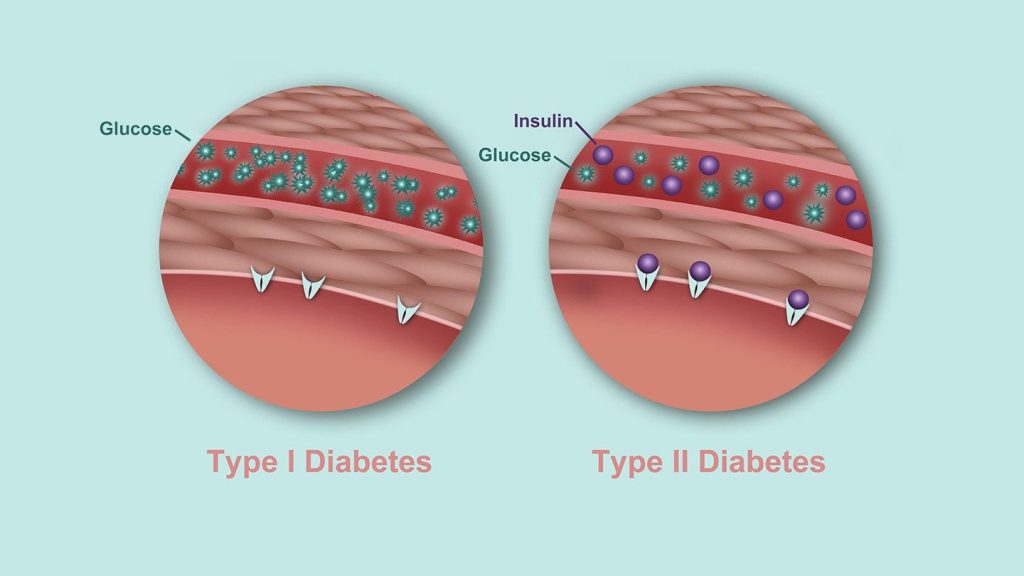
There are three main types of diabetes
Additionally, there are several other types, including:
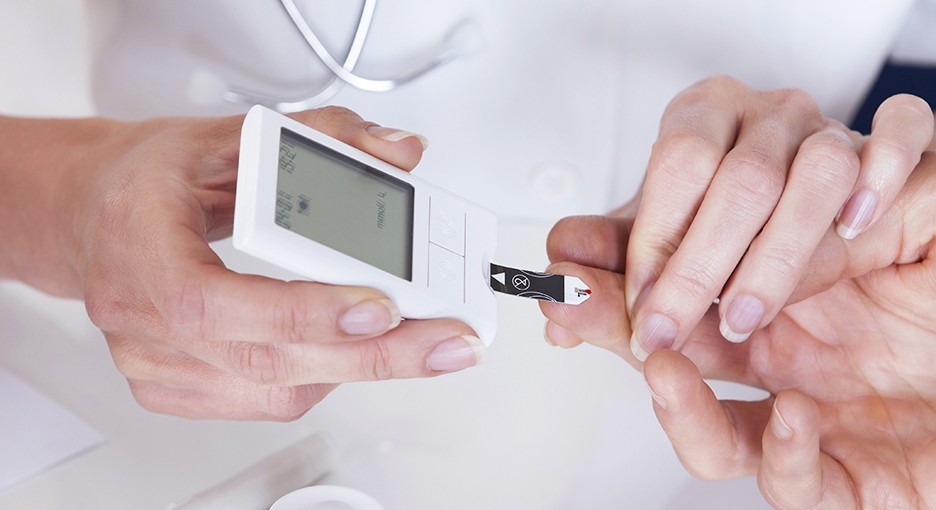
Pre-diabetes is marked by inadequate glucose tolerance and fasting glucose levels.
Impaired fasting glucose is identified when levels exceed 100 mg/dL or 5.6 mmol/L.
If blood sugar levels surpass 140 mg/dL (7.8 mmol/L) two hours after eating, it signifies impaired glucose tolerance.
Failure to manage pre-diabetes can lead to the onset of Type 2 diabetes. Additionally, it serves as a risk factor for the potential development of cardiovascular disease and Type 2 diabetes in the future.
Type 2 diabetes prevention can be achieved through proper guidance and planning with the assistance of Dr. Sunil Dhand, the highly esteemed Diabetes Doctor in Jaipur.
Diabetes can lead to various side effects and complications, including:
Various clinical blood tests are employed to identify diabetes:
Diabetes can be managed through medication, exercise, and a balanced diet.
While individuals with type 2 diabetes typically do not require insulin, some may use it to help control blood sugar levels.
Regular appointments to a diabetic clinic in Jaipur are essential for monitoring blood sugar levels effectively.
If an individual’s elevated blood sugar levels show no improvement, it is advisable to consult with a diabetic doctor.
Alternatively, seek medical attention if you are experiencing the following diabetic symptoms:
Dr. Vipul Agarwal stands out as one of the premier diabetes doctors in Jaipur. With a wealth of experience in treating numerous diabetic patients, he possesses the expertise to guide individuals toward a healthier lifestyle.
Dr. Agarwal is dedicated to working tirelessly to help you manage your condition effectively. He will craft a personalized treatment plan tailored to your needs, enabling you to lead the healthiest life possible with diabetes.
Call today to schedule an appointment with this esteemed sugar specialist doctor in Jaipur!
Looking for the online appointment to avoid rush and easy consultation get easily your appointment with Dr. Vipul Agarwal at Maitri Clinic, Jaipur
Dr. Vipul Agarwal Consultation
Mon To Sat
8:30 AM to 7:30 PM
Consultation with Prior Appointment Only


A diabetologist is a specialized doctor focused on the treatment of diabetes, making the management of the condition more accessible and effective. Their primary responsibilities include diagnosing and treating various types of diabetes, such as type 1, type 2, and gestational diabetes. If you are experiencing symptoms related to diabetes, consider consulting with a diabetologist in Jaipur at Maitri Clinic for expert guidance and care.
A diabetologist is a medical professional focused exclusively on treating patients with diabetes, whereas an endocrinologist specializes in addressing conditions that impact the endocrine organs. Given that diabetes involves issues related to the endocrine organs, an endocrinologist is also qualified to treat diabetes. The field of endocrinology centers on glands and hormones. In Jaipur, both endocrinologists and diabetologists are available for consultation at Maitri Clinic. They play a crucial role in managing blood sugar levels affected by diabetes.
Irregular fluctuations in your body’s blood sugar levels are a concerning indicator, prompting you to seek consultation with a diabetologist in Jaipur. A diabetes reading exceeding 200 mg/dL is a matter of concern. A diabetologist can assist in identifying the underlying cause and guide managing blood sugar levels, thereby reducing the risks of potential complications.
At Maitri Clinic, you can engage in discussions with our specialized diabetes doctors in Jaipur. These experts will inquire about fundamental aspects of your lifestyle, such as your diet and exercise routine. By delving into your habits, they aim to pinpoint the underlying causes of your diabetes and recommend necessary adjustments. Potential interventions may encompass incorporating exercise, adopting a healthier diet, and, when needed, implementing medication.
Numerous individuals appreciate the convenience of online appointments, eliminating the need for commuting to their scheduled sessions. With online treatment scheduling, the process is streamlined, and you can easily connect with Dr. Vipul Agarwal, your diabetologist in Jaipur, by calling +91-8902983293.
Contact us for any Dr. Vipul Aarwal Help
Dr. Vipul Agarwal is a highly experienced physician in Jaipur, who provides the best treatment and consultation for asthma, allergy, diabetes, high BP, fever, anemia, and others. Book an appointment at +91-9429690970.