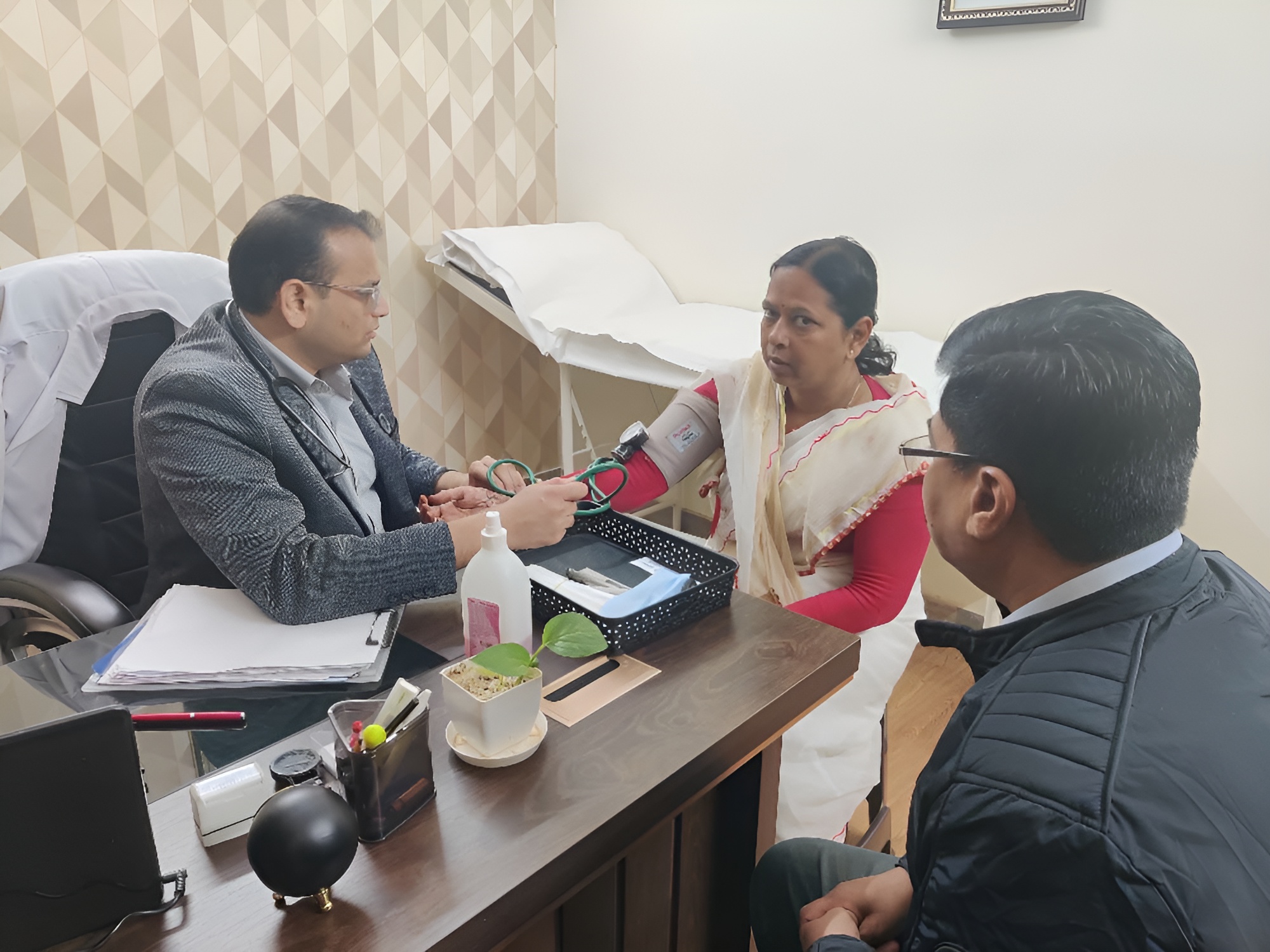

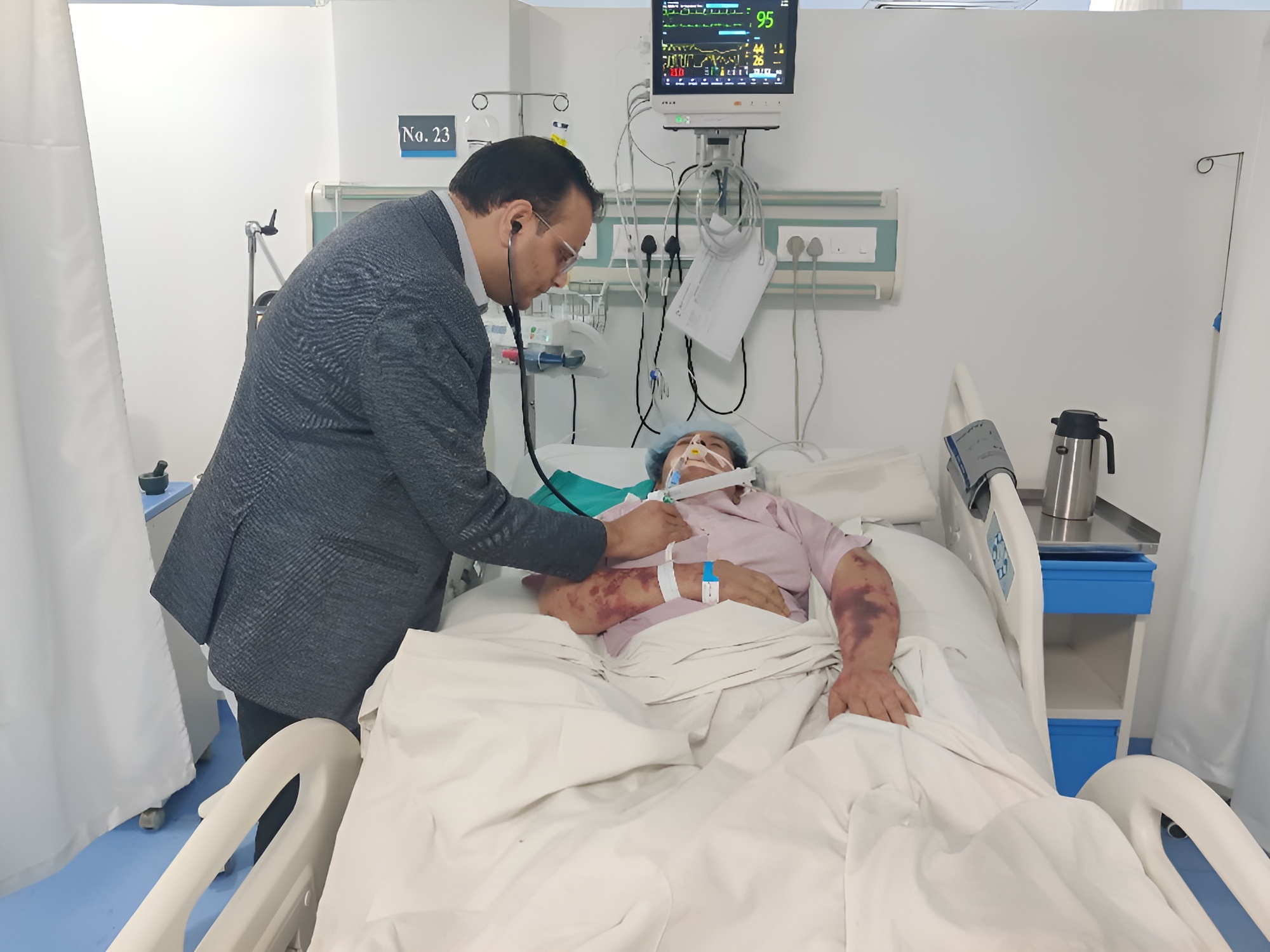
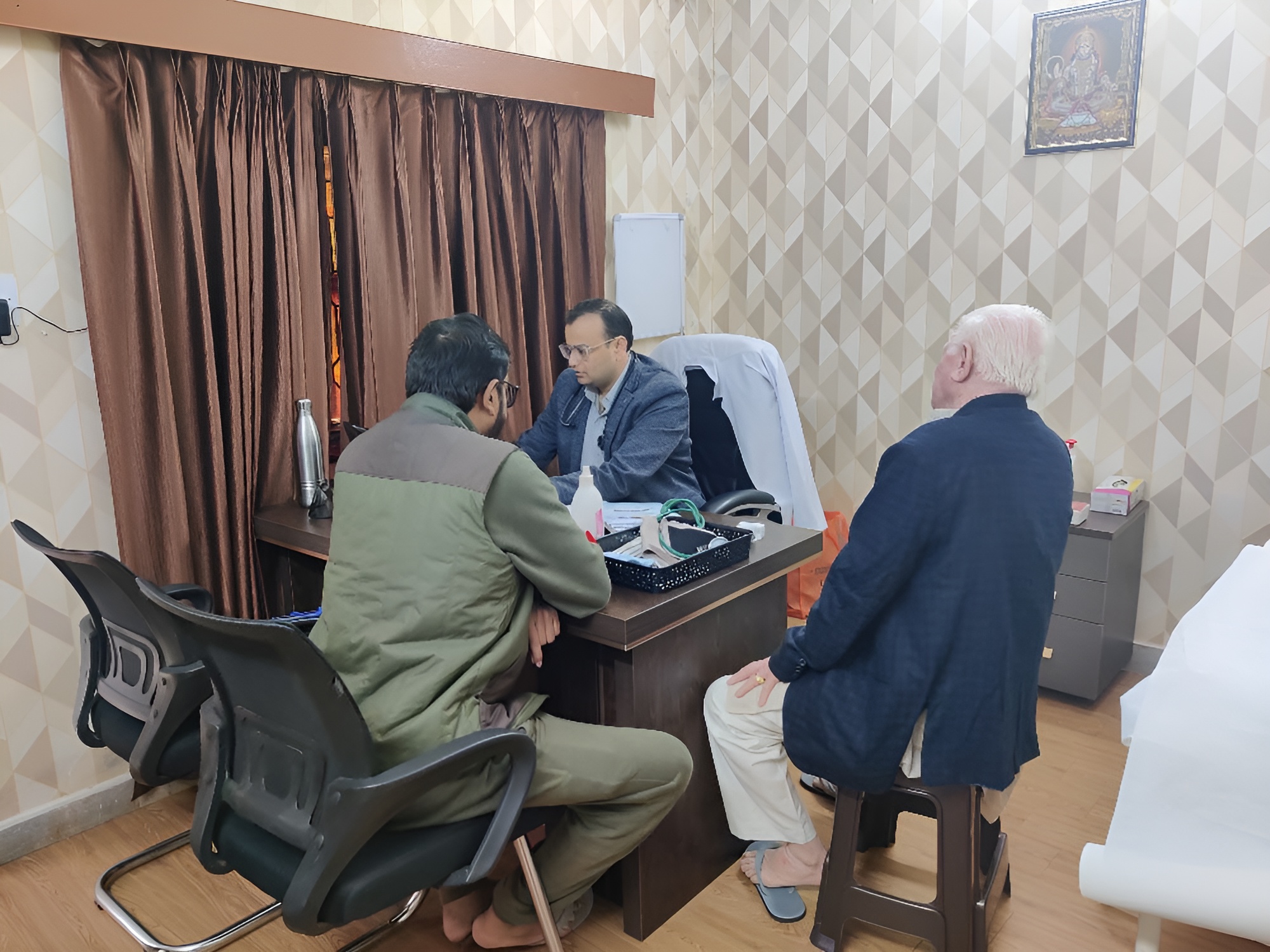
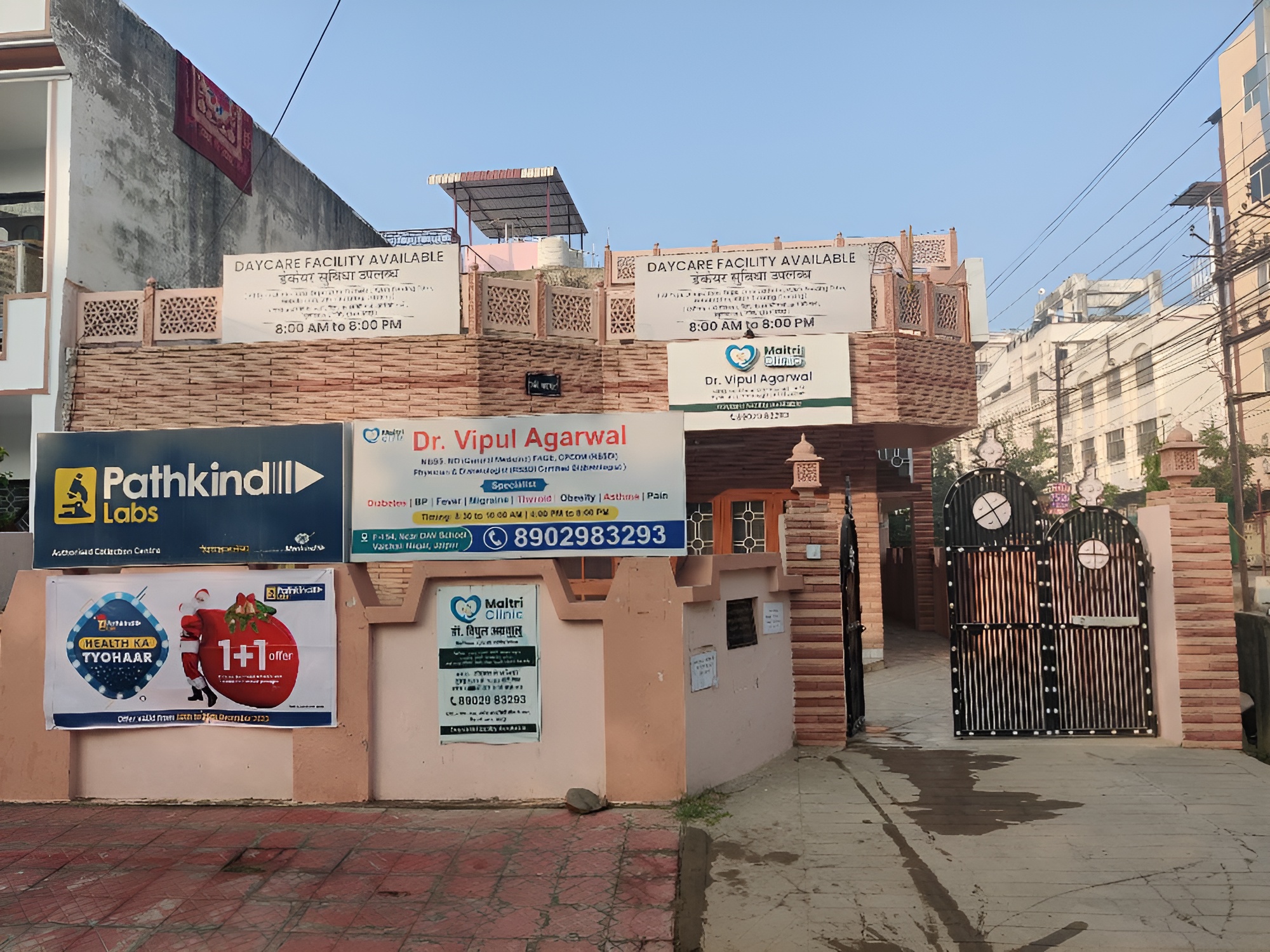
Maitri Clinic & Daycare Centre
- Phone : +919429690970
- Email : vipul.msrmc@gmail.com
- Clinic Timing :
Dr. Vipul Agarwal Consultation
Mon To Sat
8:30 AM to 7:30 PM
Consultation with Prior Appointment Only

Maitri Clinic in Vaishali Nagar, Jaipur, is a trusted and affordable Allergy Clinic in Vaishali Nagar Jaipur that offers specialized care for various allergic conditions. Led by the expert Allergy Doctor, Dr. Vipul Agarwal, the clinic provides personalized treatment plans tailored to each patient’s needs. With a commitment to delivering effective solutions, Maitri Clinic is known for its compassionate approach and expertise in managing allergies. Whether you’re dealing with seasonal allergies, food sensitivities, or skin reactions, the clinic’s services are designed to provide long-lasting relief under the guidance of a renowned Allergy Specialist in Vaishali Nagar Jaipur.
Searching for an Allergy Doctor in Vaishali Nagar Jaipur who can give you proper consultation and treatment for Allergy treatment? Then here we are. Contact us immediately!

Dr. Vipul Agarwal, a renowned Physician in Jaipur, brings over 10 years of specialized experience as a Diabetologist. With qualifications including MBBS, MD in Internal Medicine, FAGE, and CPCDM (RSSDI), he is dedicated to delivering comprehensive healthcare solutions. Known for his expertise in managing diabetes and related conditions, Dr. Agarwal is a trusted Consultant Physician and Diabetologist.
Patients seeking expert advice and personalized care can schedule an appointment with Dr. Agarwal at Maitri Clinic & Daycare Centre, a leading Diabetes Clinic in Vaishali Nagar Jaipur, by calling +918902983293. Dr. Agarwal’s commitment to patient well-being and extensive experience significantly enhance the healthcare landscape in Jaipur.
Best Diabetes Reversal Treatment at Maitri Clinic
Consult on Type I and type II Diabetes, symptoms, risk & reversal
Allergic reactions occur when the immune system mistakenly identifies a substance (allergen) as harmful and triggers an immune response. This reaction can range from mild symptoms to severe and life-threatening conditions. Common allergens include pollen, dust mites, mold, pet dander, certain foods, insect stings, and medications.
When the body comes into contact with an allergen, the immune system releases chemicals like histamine, leading to various symptoms. These can include:
Allergic reactions can be managed through avoiding allergens, medications (like antihistamines), and in some cases, allergy immunotherapy.
The symptoms of allergic reactions can vary depending on the type of allergen and the severity of the immune response. Common symptoms include:
Anaphylaxis is a medical emergency and requires immediate treatment with an epinephrine injection (EpiPen) and prompt medical attention. If you experience severe symptoms, it’s crucial to seek emergency help.
Allergic reactions occur when the immune system overreacts to a substance that is typically harmless. The causes of allergic reactions can be linked to various allergens, which are substances that trigger this immune response. Common causes include:
Pollen from trees, grasses, and weeds is a major cause of seasonal allergies (hay fever). It can trigger respiratory symptoms like sneezing, congestion, and itchy eyes.
Tiny insects that live in household dust can cause allergic reactions, especially in individuals who are sensitive to their waste products. Common symptoms include sneezing, coughing, and asthma.
Mold spores found in damp areas like bathrooms, basements, and kitchens can trigger allergic reactions, causing respiratory symptoms and skin irritation.
Proteins found in the skin cells, saliva, and urine of pets like cats, dogs, and other animals can cause allergic reactions. Symptoms include sneezing, runny nose, and itchy eyes.
Stings from insects like bees, wasps, hornets, and fire ants can cause allergic reactions, ranging from mild swelling and pain to severe anaphylaxis in sensitive individuals.
Common food allergens include nuts (especially peanuts), shellfish, eggs, dairy, wheat, soy, and certain fruits or vegetables. Reactions can range from mild rashes to severe anaphylactic shock.
Certain medications, such as antibiotics (like penicillin), aspirin, or nonsteroidal anti-inflammatory drugs (NSAIDs), can trigger allergic reactions. Symptoms may include skin rashes, hives, or more severe reactions.
Latex products (such as gloves or balloons) can cause allergic reactions, particularly in healthcare workers. Symptoms include skin irritation, swelling, or even anaphylaxis.
Environmental pollutants like smoke, pollution, and strong odors can sometimes trigger allergic reactions in sensitive individuals.
Family history plays a significant role in the development of allergies. If one or both parents have allergies, their children are more likely to develop allergic conditions as well.
Diagnosing allergic reactions involves a combination of a detailed medical history, physical examination, and specific tests to identify the allergens responsible. Here’s how an allergy diagnosis typically proceeds:
For food allergies, a doctor may suggest eliminating suspected foods from your diet for a few weeks, then gradually reintroducing them while monitoring for any allergic reactions.
The treatment for allergic reactions aims to relieve symptoms, reduce inflammation, and prevent future reactions. The approach to managing allergies depends on the type and severity of the reaction. Here are common treatments for allergic reactions:
Medications are often used to control allergic symptoms and reduce inflammation:
For individuals whose allergies trigger asthma, treatment may include:
Anaphylaxis is a severe, life-threatening allergic reaction that requires immediate medical attention. In addition to an epinephrine injection, individuals may need to visit the emergency room for further monitoring and treatment, including additional medications like corticosteroids or antihistamines.
For patients with specific allergies, such as to insect stings (e.g., bee or wasp venom), allergen-specific immunotherapy is an option. This treatment involves injections of venom, which help build tolerance over time and prevent severe allergic reactions to future stings.
Preventing allergic reactions often involves making changes to your lifestyle to reduce exposure to allergens. Here are several lifestyle factors that can help prevent allergic reactions:
At Maitri Clinic, a leading Allergy Clinic in Vaishali Nagar Jaipur, we provide the best treatments for all types of allergic reactions, ensuring that you receive effective care without the high costs. Our experienced Allergy Doctors in Vaishali Nagar Jaipur specialize in diagnosing and treating allergies with personalized treatment plans to meet your specific needs.
Whether you’re dealing with seasonal allergies, food allergies, skin reactions, or asthma, our Allergy Specialists in Vaishali Nagar Jaipur use advanced diagnostic tools and the latest treatment options to manage your symptoms and improve your quality of life. From allergy testing to medication management and immunotherapy, we offer a comprehensive range of services tailored to help you live allergy-free.
Looking for the online appointment to avoid rush and easy consultation get easily your appointment with Dr. Vipul Agarwal at Maitri Clinic, Jaipur
Dr. Vipul Agarwal Consultation
Mon To Sat
8:30 AM to 7:30 PM
Consultation with Prior Appointment Only


Allergic reactions can manifest in various ways, including sneezing, itching, rashes, nasal congestion, watery eyes, wheezing, or even severe symptoms like anaphylaxis. If you experience these symptoms, it’s important to consult an Allergy Doctor in Vaishali Nagar Jaipur for proper diagnosis and treatment.
Allergic reactions are typically diagnosed through a combination of medical history, physical exams, and allergy tests such as skin prick tests, blood tests, or patch tests. Our Allergy Specialists in Vaishali Nagar Jaipur can help determine the specific allergens causing your symptoms.
Treatment for allergies can include medications such as antihistamines, nasal sprays, and corticosteroids, as well as allergen immunotherapy (allergy shots). At Maitri Clinic, we provide a personalized treatment plan to manage your allergies effectively.
Food allergies are managed through strict avoidance of the allergenic food and, in some cases, oral immunotherapy (OIT) may be used to build tolerance. Our Allergy Doctor in Vaishali Nagar Jaipur can guide you through managing food allergies safely.
Prevention involves avoiding known allergens, maintaining a clean environment, and taking preventive medications as prescribed by your doctor. At Maitri Clinic, we offer guidance on how to minimize allergen exposure and manage your condition.
Allergy testing is generally painless. Skin prick tests involve tiny pricks to the skin with small amounts of allergens. Blood tests involve a simple blood draw. These tests help identify your triggers and guide effective treatment.
Yes, allergies are a common trigger for asthma. If you have both allergies and asthma, it’s important to work with an Allergy Specialist in Vaishali Nagar Jaipur to manage both conditions effectively through medication and lifestyle adjustments.
If you experience severe symptoms like difficulty breathing, swelling of the throat, or dizziness, seek immediate medical help. An epinephrine injection (EpiPen) may be necessary in the case of anaphylaxis. Always have an emergency plan in place and consult with your Allergy Doctor in Vaishali Nagar Jaipur for guidance.
Contact us for any Dr. Vipul Aarwal Help
Dr. Vipul Agarwal is a highly experienced physician in Jaipur, who provides the best treatment and consultation for asthma, allergy, diabetes, high BP, fever, anemia, and others. Book an appointment at +91-9429690970.