
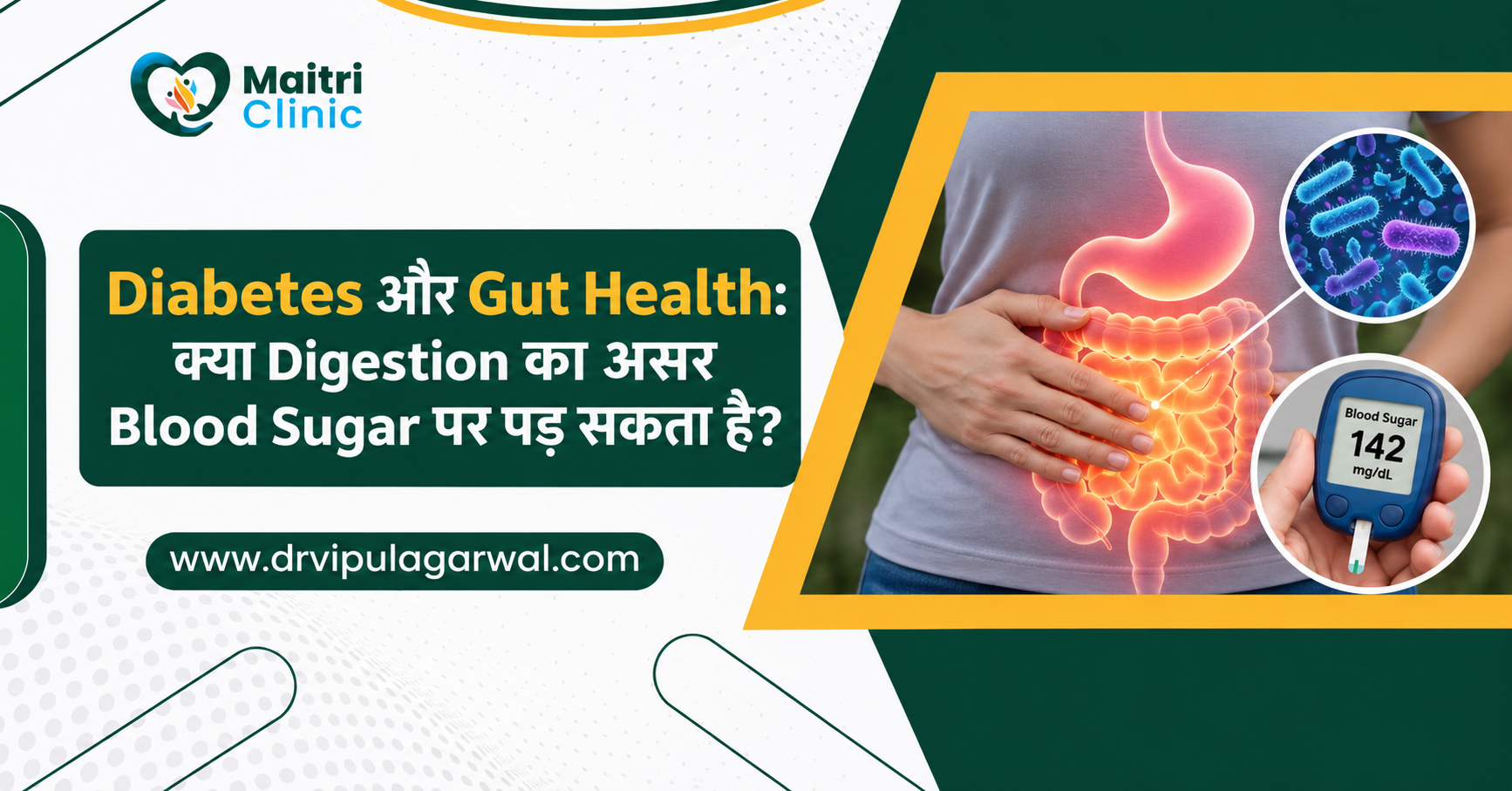
Diabetes and Gut Health: Can Digestion Affect Blood Sugar?
Diabetes management is not just about controlling sugar intake or taking medications on time. Your digestive system also plays an important role in maintaining healthy blood glucose levels. The gut contains trillions of microorganisms, collectively known as the gut microbiome, which help digest food, support immunity and influence several metabolic processes.
Research suggests that changes in gut bacteria may be associated with insulin resistance, inflammation and blood sugar imbalance. For people looking for guidance from a Diabetes Doctor in Jaipur, understanding the connection between gut health and diabetes can be an important step towards better long-term metabolic health.
But can poor digestion actually affect blood sugar? Can improving gut health support diabetes management? Let’s understand the connection.
What Is Gut Health and Why Does It Matter?
Gut health refers to the proper functioning of your digestive system, including the stomach, intestines and the microorganisms living inside your digestive tract.
A healthy gut microbiome helps with:
- Breaking down dietary fibre.
- Supporting nutrient absorption.
- Maintaining the intestinal protective barrier.
- Supporting immune system function.
- Producing beneficial substances called short-chain fatty acids.
- Regulating several metabolic processes.
An imbalance between beneficial and harmful microorganisms is known as gut dysbiosis. Research has linked changes in gut microbiome composition with metabolic conditions, including type 2 diabetes.
How Does Gut Health Affect Blood Sugar Levels?
Your digestive system influences blood glucose through several interconnected mechanisms.
1. Gut Bacteria Influence Glucose Metabolism
Gut bacteria help break down dietary fibres that the body cannot digest independently. This process produces short-chain fatty acids (SCFAs), such as acetate, propionate and butyrate.
These substances may support insulin sensitivity, intestinal health and glucose metabolism. An imbalance in gut bacteria may affect these processes and contribute to metabolic disturbances.
2. Gut Health May Influence Insulin Resistance
Insulin is a hormone that helps glucose enter body cells, where it is used for energy.
When cells become less responsive to insulin, the pancreas needs to produce more insulin to maintain normal blood sugar levels. This condition is called insulin resistance.
Changes in gut bacteria and increased intestinal permeability have been associated with low-grade inflammation, which may contribute to insulin resistance.
3. The Gut Produces Hormones That Regulate Blood Sugar
Your intestines also produce hormones that influence blood glucose regulation.
Two important hormones are:
- GLP-1: Helps stimulate insulin release when blood glucose rises, slows stomach emptying and supports appetite regulation.
- GIP: Helps the pancreas release insulin in response to food intake.
These hormones are known as incretins and play an important role in the gut-pancreas connection. Certain modern diabetes medications also work through these hormonal pathways.
4. Diabetes Can Directly Affect Digestion
The relationship between diabetes and gut health works in both directions. Prolonged high blood sugar can damage the nerves that control digestive functions, potentially causing diabetic autonomic neuropathy.
One related condition is diabetic gastroparesis, in which the stomach takes longer than normal to empty food into the small intestine.
Common symptoms include:
- Frequent bloating and abdominal discomfort.
- Constipation or recurring diarrhoea.
- Nausea and vomiting.
- Feeling full after eating small amounts.
- Unpredictable blood sugar fluctuations.
Persistent digestive symptoms should be medically evaluated rather than ignored.
Signs Your Gut Health May Need Attention
Not every digestive problem indicates an unhealthy gut microbiome. However, recurring symptoms deserve attention, especially if you have diabetes.
| Symptom | Possible explanation |
|---|---|
| Frequent bloating | Digestive disturbances or food intolerance |
| Persistent constipation | Changes in bowel function |
| Recurrent diarrhoea | Infection, medication effects or intestinal problems |
| Nausea after meals | Delayed stomach emptying |
| Feeling full quickly | Possible gastroparesis or other stomach problems |
| Blood sugar fluctuations | Changes in food absorption or medication timing |
If digestive problems occur alongside unstable blood glucose, consult a doctor to identify the underlying cause.
How Can You Improve Gut Health While Managing Diabetes?
Simple dietary and lifestyle changes can support digestive health and overall metabolic wellness.
1. Include Fibre-Rich Foods
Dietary fibre supports digestion, nourishes beneficial gut bacteria and may help slow glucose absorption.
Include foods such as oats, lentils, chickpeas, green leafy vegetables, guava, whole grains, nuts and seeds. Increase fibre gradually and drink sufficient water.
2. Choose Fermented Foods
Plain curd, unsweetened yoghurt containing live cultures and traditional fermented foods may support gut health.
Choose options without added sugar and consider your individual dietary tolerance.
3. Reduce Ultra-Processed Foods
Limit sugary beverages, packaged snacks, refined flour products and foods containing excessive added sugar.
Instead, focus on balanced meals containing vegetables, protein, healthy fats and appropriate portions of carbohydrates.
4. Stay Physically Active
Regular physical activity supports insulin sensitivity and metabolic health. Walking for 10–15 minutes after meals, moderate exercise and strength training can be beneficial, depending on your fitness level.
5. Maintain Proper Hydration
Drinking sufficient water supports digestion and normal bowel movements. Inadequate fluid intake may contribute to constipation. People with kidney or heart conditions who have been advised to restrict fluids should follow their doctor’s recommendations.
6. Avoid Unnecessary Antibiotics and Supplements
Unnecessary antibiotic use can alter gut bacteria. Similarly, probiotics and digestive supplements are not suitable or necessary for everyone.
A balanced approach to diet, exercise and medical care is an important part of Diabetes Treatment in Jaipur and long-term blood sugar management. Always consult your doctor before starting supplements or changing prescribed diabetes medication.
Can Probiotics Help People With Diabetes?
Probiotics are live microorganisms that may provide health benefits when consumed in appropriate amounts.
Some studies suggest that specific probiotic strains may produce modest improvements in fasting blood glucose and insulin resistance. However, research findings remain inconsistent, and results depend on the probiotic strain, dosage and individual health conditions.
Probiotics are not a cure for diabetes and should never replace prescribed medication, dietary management or regular glucose monitoring.
When Should You Consult a Doctor?
Occasional digestive discomfort may not be serious, but persistent symptoms should not be ignored.
Consult a doctor if you experience:
- Repeated bloating, constipation or diarrhoea.
- Persistent nausea or vomiting.
- Unexplained weight loss.
- Frequent abdominal discomfort.
- Difficulty maintaining stable blood sugar levels.
- Feeling unusually full after small meals.
Depending on your symptoms, a doctor may recommend blood glucose testing, HbA1c, other blood investigations or specific gastrointestinal tests.
Seek urgent medical attention for severe abdominal pain, blood in stools, persistent vomiting or signs of dehydration.
How Dr. Vipul Agarwal Can Help You Manage Diabetes
Managing diabetes requires attention to more than blood glucose readings. Digestive health, dietary habits, physical activity and medication adherence also play important roles.
Dr. Vipul Agarwal, a General Physician and diabetes care doctor, focuses on understanding individual health concerns and developing appropriate management approaches.
At Maitri Clinic & Daycare Centre, Vaishali Nagar, Jaipur, patients can seek medical guidance for diabetes management, blood sugar monitoring, metabolic health concerns and general medical conditions.
For patients looking for an experienced Physician in Jaipur, Dr. Vipul Agarwal emphasizes individualized care, regular monitoring and practical lifestyle guidance to help address diabetes and associated health concerns.
Conclusion
Gut health and blood sugar regulation are more closely connected than many people realize. The gut microbiome influences digestion, inflammation and metabolic processes, while diabetes itself can affect normal digestive functions.
Eating fibre-rich foods, choosing balanced meals, staying physically active and addressing persistent digestive symptoms can support better digestive and metabolic health.
However, improving gut health should complement, not replace, proper diabetes management. If you experience digestive problems alongside fluctuating blood sugar, consult a qualified doctor for appropriate evaluation and treatment.
Frequently Asked Questions (FAQs)
1. Can poor gut health increase blood sugar levels?
Poor gut health may be associated with inflammation, altered glucose metabolism and insulin resistance. However, gut imbalance alone does not necessarily cause diabetes.
2. Does diabetes affect digestion?
Yes. Prolonged high blood sugar can damage digestive nerves, potentially causing bloating, constipation, diarrhoea and delayed stomach emptying.
3. Is curd good for people with diabetes?
Plain, unsweetened curd can be included in a diabetes-friendly diet. It provides protein and may contain beneficial live cultures.
4. Can probiotics reverse type 2 diabetes?
No. Current scientific evidence does not establish that probiotics can reverse diabetes. They cannot replace standard diabetes treatment.
5. Why do diabetic patients experience bloating and constipation?
Possible reasons include diabetes-related nerve damage, certain medications, dehydration and dietary factors. Persistent symptoms require medical evaluation.